
Co-founder · Mar 2024 to Present
An AI-native video studio. Creative direction stays human and everything else gets accelerated: from brief to delivery, our workflows are built to produce more, iterate faster and get sharper with every project.
- 80+projects delivered
- 30+brands across education, finance, D2C and crypto
- 200+videos produced
Selected clients











How it started
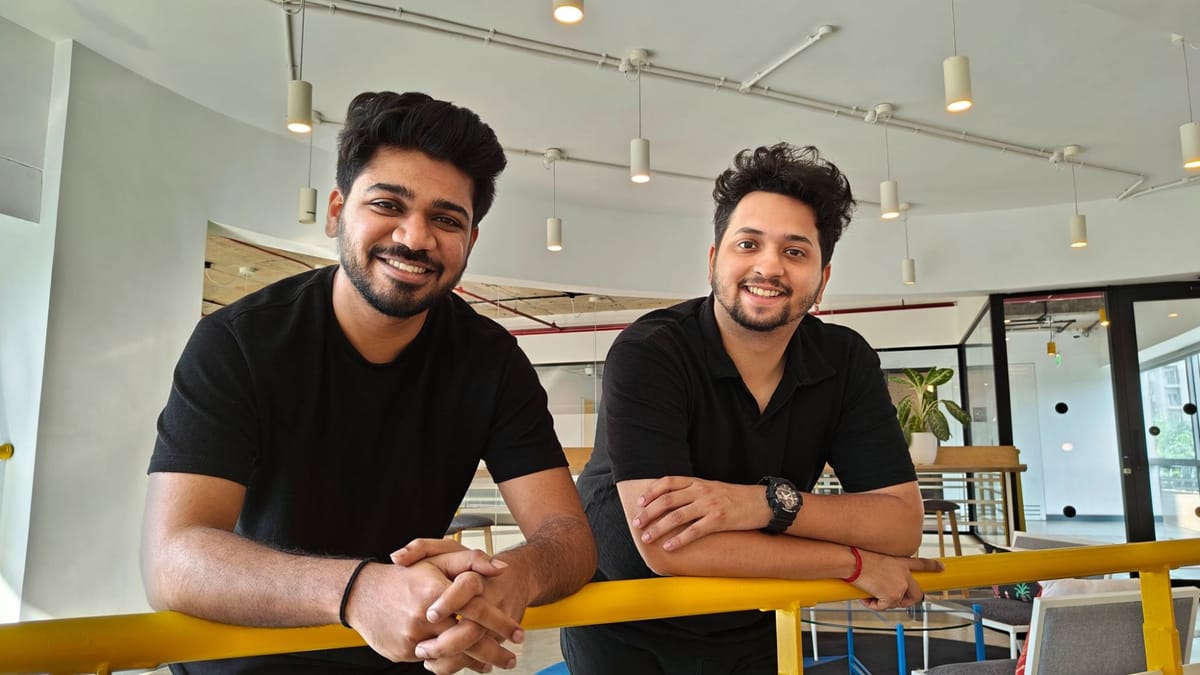
I always liked building things and wanted to start up at some point. After Loco, I had two job offers to decide between. Around the same time I met Aditya Ranjan, who had started Lens Media a couple of months earlier, and we got talking.
We shared a love of media and had complementary skills. Aditya had worked as a creative producer and video editor, so he knew the detail of execution: cinematography, editors, designers. I knew business operations from working at JioCinema, and how to build systems to run a business. We saw a great fit and a shared passion to build this, so I turned down both offers and we started Lens.
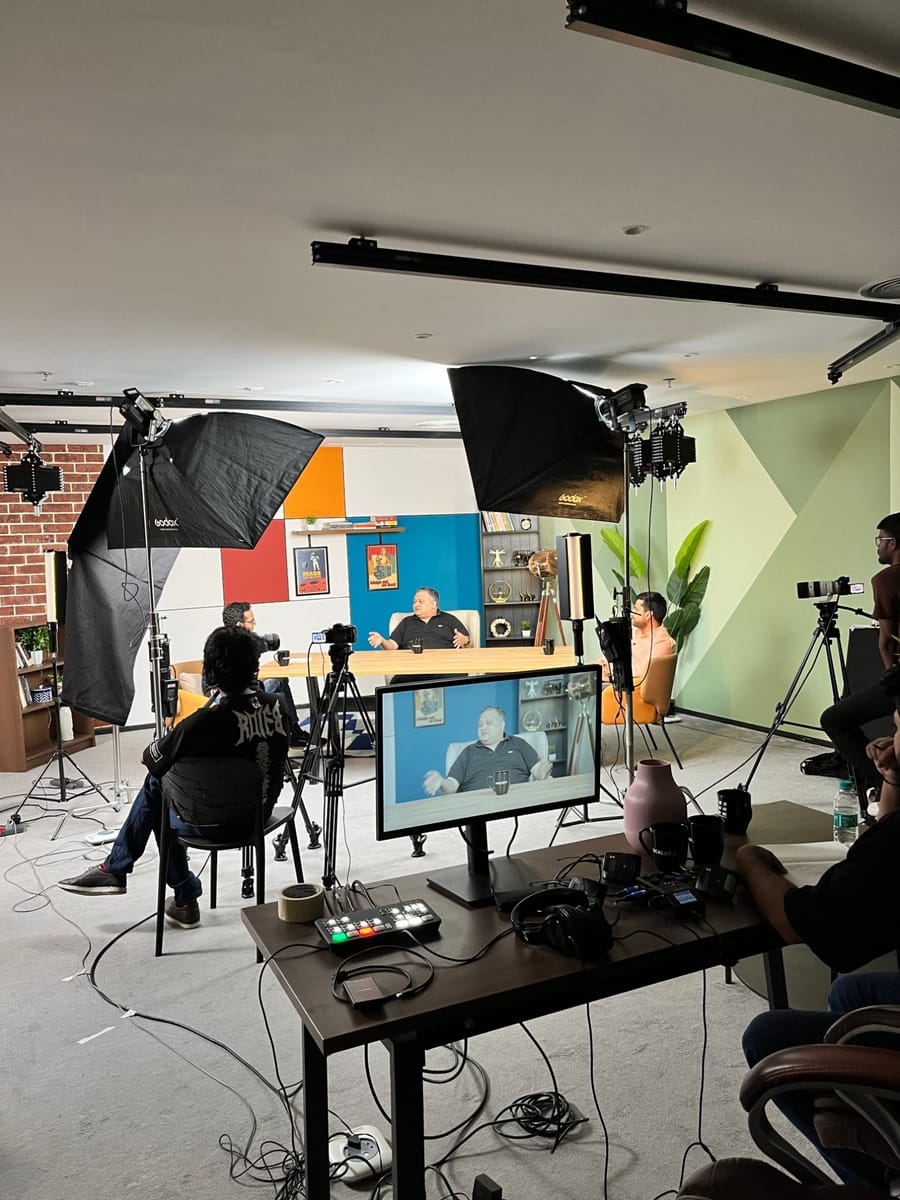
We began as a very small team, making organic content for brands: YouTube long-form, podcasts, afterfilms and other social content. During this time we grew the Scaler School of Technology YouTube channel from about 8,000 subscribers to about 40,000.
About a year later, an existing client asked for an animation-based launch video. We made it, it did very well, and more clients started asking for similar videos, so we added animation and motion design.
In 2025, generative media models got good fast, and I knew we had to be in that space or be left behind. I started experimenting under a new vertical, Lens Labs. A couple of clients wanted projects with it, then Allen Education came on with a big campaign, and Lens Labs became the main thing.
Our approach to AI media
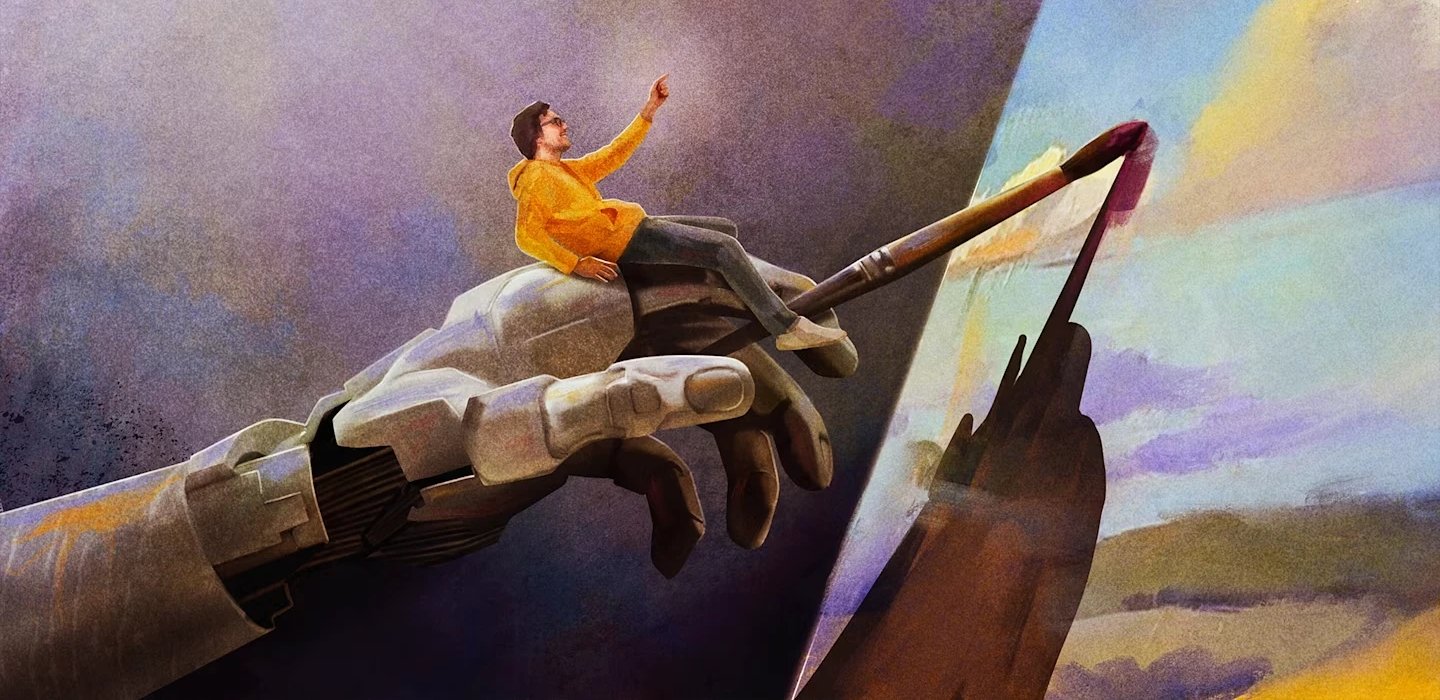
I believe media is about to change for good. Every decade has had one big shift: mobile phones in the 2000s, social media and e-commerce in the 2010s, and in the 2020s, LLMs and generative media models. We are still at the very early stage.
Many people call AI video slop because they are looking at the first versions of the technology. Over the next decade it becomes an important part of how media is made. At most, AI is a catalyst. It does not replace creative people, it helps them get their vision to reality faster.
Last year I started experimenting with image and video models, first to see what different prompts produced, then to work out how to make professional films with them. I spent every day testing models, prompts and visual styles, and making mock projects, until we found a workflow we could use on real client work. Ideation and concept development stay human, production is automated, and post-production is still done by our team.
To make commercially usable films and not slop, you need a workflow. It starts with a brief, then the shots, the screenplay and the individual keyframes. Across client projects we learned which models suit which kinds of video, how to prompt them and how to build the system behind it. Today we produce realistic AI videos that clients love.
These client projects and months of experiments are where I am building the next phase: turning all of it into Kinora.
The next phase
Kinora
A multi-agent AI filmmaking platform. The studio's workflow, turned into software.
Our work
Case studyAllen Education
Allen is one of India's largest education companies, and exam season is its most important time of year. We were its creative partner for the JEE and NEET 2026 campaigns, making TVCs, campaign films and performance ads.
- 55Mpeople reached across 2 campaigns
- 160Mviews on the Great 50% Promise campaign
- 4 to 6xlower CPM than benchmark: ₹0.24 against ₹1 to ₹1.4
- 6 to 10xlower CPV than benchmark: ₹0.05 against ₹0.3 to ₹0.5
Before AIMade the traditional way, with a full team. That is where our taste and production discipline come from.
 Watch on Instagram ↗
 Watch on X ↗
 Watch on X ↗
 Watch on X ↗